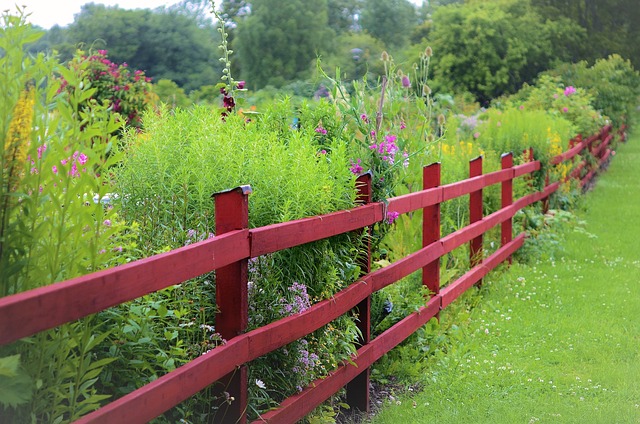
In coastal regions, where harsh weather conditions and salty air pose unique challenges, selecting the right fencing material is paramount. This article explores durable wooden fencing as a superior solution for protecting properties along the coast. We delve into the environmental considerations, highlighting the advantages of wood in such settings. Additionally, it provides practical guidance on installation and maintenance tips to ensure these fences withstand the test of time, offering both aesthetic appeal and robust protection against the coastal environment.
- Understanding Coastal Environment Challenges for Fencing
- Advantages of Durable Wooden Fencing Materials
- Installation Considerations for Coastal Areas
- Maintenance Tips for Longevity in Salty Environments
Understanding Coastal Environment Challenges for Fencing
The coastal environment presents unique challenges when it comes to installing and maintaining fencing. Salt air, strong winds, and regular exposure to moisture can accelerate the deterioration of traditional fence materials, leading to frequent replacements and added costs over time. Additionally, the terrain in coastal areas often varies, from sandy beaches to rocky shores, which can make installation complex and require specialized solutions.
These environmental factors demand fencing materials that are not only robust but also resistant to corrosion and moisture damage. Durable wooden fencing for coastal areas should be constructed from high-quality, rot-resistant timber species like cedar or treated timber designed to withstand these harsh conditions. Proper sealing and regular maintenance become even more critical to ensure the longevity of the fence in such environments.
Advantages of Durable Wooden Fencing Materials
Durable wooden fencing materials offer an attractive and long-lasting solution for coastal areas, where traditional fences often face challenges from harsh weather conditions. One of the primary advantages is their ability to withstand salt spray and moisture, which can quickly deteriorate standard timber. These specialized woods are treated to be highly resistant to rot, making them ideal for coastal environments where humidity levels are high.
Moreover, durable wooden fencing provides excellent aesthetics, contributing to the overall charm of a property. The natural beauty of wood enhances the landscape, creating a warm and inviting atmosphere. Unlike concrete or metal fences that can appear stark, wooden options blend seamlessly with the surrounding environment, making them popular choices for homes and businesses seeking an organic and harmonious exterior design.
Installation Considerations for Coastal Areas
When installing wooden fencing in coastal areas, several unique considerations come into play. First and foremost, the choice of wood is critical; durable, rot-resistant species like cedar or treated timber are essential to withstand the constant exposure to salt air and moisture. Proper drainage is another key factor; effective water runoff and ventilation within the fence structure will prevent water accumulation, which can lead to rotting.
Site preparation is also paramount. Ensuring a solid foundation by addressing any uneven terrain and installing posts deep enough into the ground to resist high winds and coastal storms is non-negotiable. Additionally, considering the proximity to the coast, it may be beneficial to treat fence panels with protective coatings or finishes to further enhance their resistance against harsh environmental conditions.
Maintenance Tips for Longevity in Salty Environments
To ensure your durable wooden fence stands strong against the relentless salt air and harsh coastal conditions, regular maintenance is key. In salty environments, wood can become more susceptible to rot, mold, and insect damage. Therefore, a good cleaning and sealing routine is essential. Start by pressure washing the fence to remove any built-up salt, algae, or dirt. This will help prevent water penetration and subsequent decay. After washing, apply a high-quality waterproof sealant designed for exterior use. Reapply this sealant every one to two years, depending on exposure, to maintain a protective barrier against moisture.
Additionally, keep an eye out for any signs of damage, such as loose boards or split posts, and repair these promptly. Regular inspection will help catch potential issues early on. Consider using treated wooden posts and fasteners to further enhance durability. Treated wood is more resistant to rot and insects, which can extend the life of your fence significantly in challenging coastal environments.